
Trash Compactor Repair in Manhattan, NY
A broken trash compactor can disrupt waste handling quickly, especially in a busy building where residents, staff, or tenants rely on the system every day. Compasit Corporation handles trash compactor repair, chute door repair, and compactor electrical repair for Manhattan buildings and commercial properties.
When a compactor stops cycling, jams repeatedly, loses power, or develops another operational problem, the first step is identifying what is causing the failure. The equipment and related components should be assessed before deciding which repair is appropriate.
Call
800-398-3087
info@compasit.com
Schedule an Onsite Assessment
Trash Compactor Repair
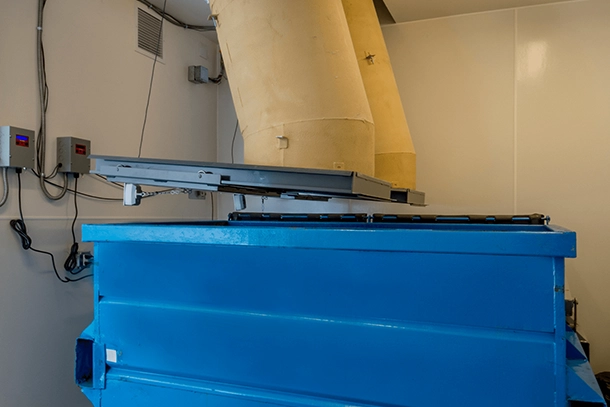
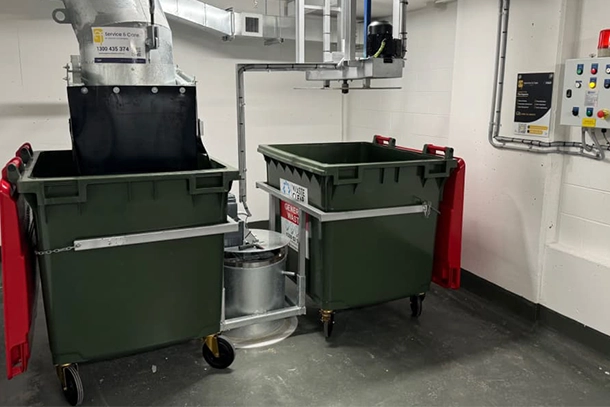
A compactor that will not start, cycle correctly, compact waste, or remain operational can interrupt the building’s entire waste-handling process. The cause may be mechanical, electrical, or connected to another part of the waste system. Recurring jams, unusual noises, leaks, or unexpected shutdowns can also indicate that the equipment needs inspection.
Rather than treating every failure the same way, the system should be diagnosed so the repair addresses the actual problem.
Chute Door Repair
Trash chute doors can develop problems after repeated daily use.
Worn hinges, damaged latches, alignment problems, and other component failures may cause a door to stick, become difficult to open, fail to latch, or stop closing properly. Chute door repair begins with identifying which component is causing the problem. In some cases, the visible hardware may not be the only issue, especially when the door or surrounding opening is misaligned.
Compactor Electrical Repair
Not every trash compactor failure is mechanical. Problems involving wiring, switches, controls, or other electrical components can prevent equipment from starting, cycling correctly, or operating consistently.
Electrical troubleshooting helps determine whether the failure is coming from the electrical system or whether another compactor component is contributing to the problem. Identifying the source first can prevent unnecessary replacement of unrelated parts.
Request Trash Compactor Service
Call 800-398-3087 or email info@compasit.com.
- Call 800-398-3087
- Email info@compasit.com
Request Service
Signs Your Trash Compactor May Need Repair
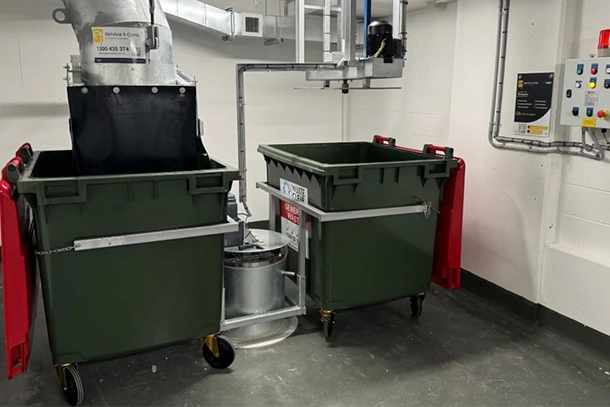
A trash compactor does not need to stop completely before it deserves attention. Changes in normal operation can indicate a developing mechanical or electrical problem.
Common warning signs include:
Recurring problems are especially important to investigate. Clearing a jam or resetting the equipment may restore operation temporarily without addressing what caused the failure.
- The compactor will not start
- The unit stops during a cycle
- Waste is not compacting as expected
- The system jams repeatedly
- Unusual noises develop during operation
- The compactor leaks
- Electrical components stop responding
- The equipment shuts down unexpectedly
- The same problem returns after temporary fixes
What Happens During a Trash Compactor Repair Visit?
1. Review the Problem
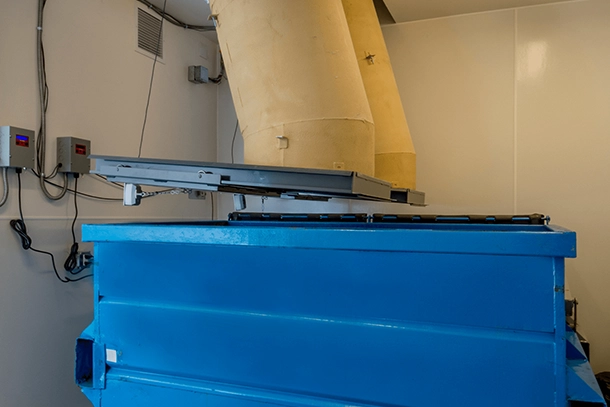
The service visit starts with what building staff have noticed. When did the problem begin? Is the equipment completely out of service or operating inconsistently? Has the same issue happened before? These details can help narrow the inspection.
2. Inspect the System
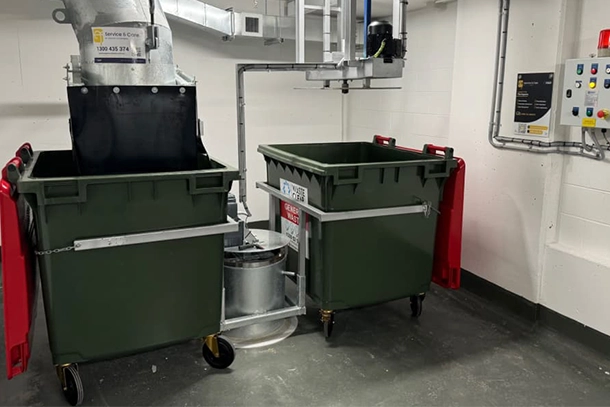
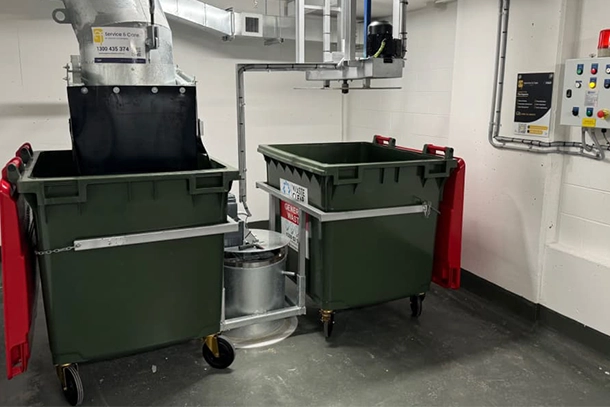
The relevant compactor, electrical, chute, and operating components are reviewed to locate the problem.
3. Identify the Cause
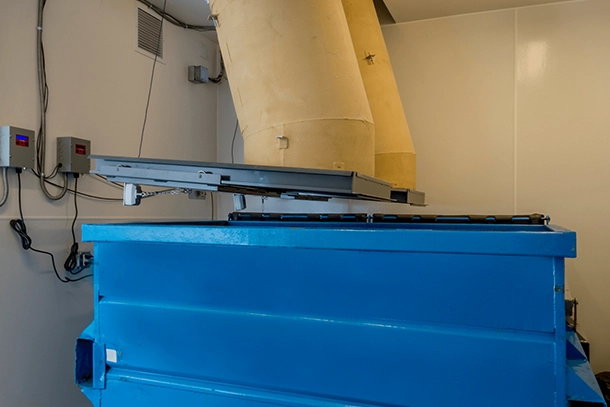
The goal is to separate the underlying failure from its symptoms. For example, a compactor that will not start can have a different problem from one that starts normally but repeatedly jams during operation.
4. Define the Repair
Once the issue is identified, the repair can be determined based on the affected component and overall equipment condition.
5. Complete and Review the Work
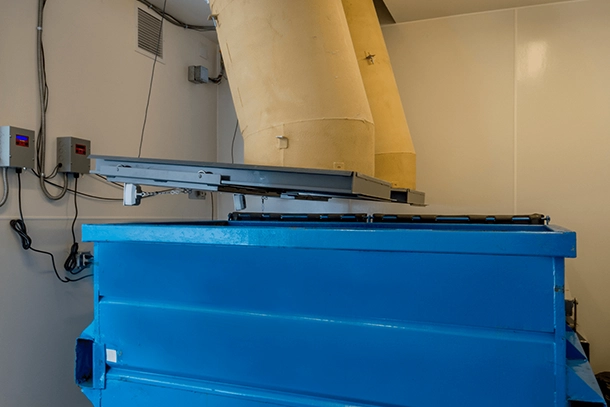
After the approved repair is completed, the addressed components are reviewed for proper operation.
Common Chute Door Problems in Manhattan Buildings
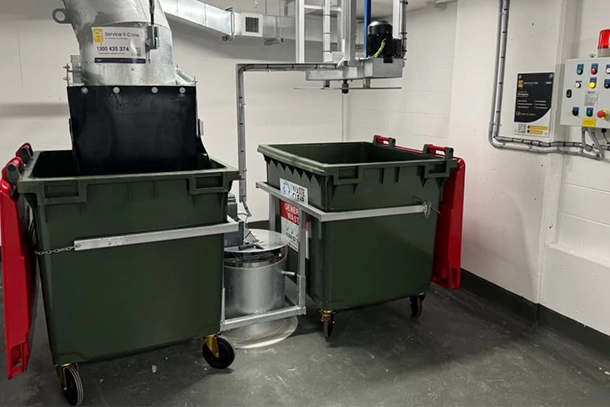
Chute doors may appear simple, but hinges, latches, alignment, hardware, and surrounding components all affect how they operate.
Common problems include:
These problems should be evaluated individually. Replacing one visible part may not solve the issue when alignment, surrounding hardware, or another component is contributing to the failure.
- Doors that do not close fully
- Worn or damaged latches
- Sticking hinges
- Misaligned doors
- Doors that are difficult to open
- Gaps around a closed door
- Damaged operating hardware
Repair or Replace a Trash Compactor?
A broken compactor does not automatically need replacement.
Repair may make sense when the problem involves a serviceable mechanical or electrical component and the rest of the equipment remains in workable condition.
Replacement may deserve consideration when the equipment has extensive deterioration, recurring failures, major component problems, or other conditions that make continued repair less practical.
Factors to consider include:
Compasit handles both trash compactor repair and installation, so the condition of the existing equipment can be assessed before determining whether repair or replacement makes more sense.
- Overall equipment condition
- Frequency of previous repairs
- Nature of the current failure
- Availability of replacement components
- Operating requirements
- Capacity needs
- Cost and scope of the repair
Compactor, Chute & Electrical Service for Manhattan Properties
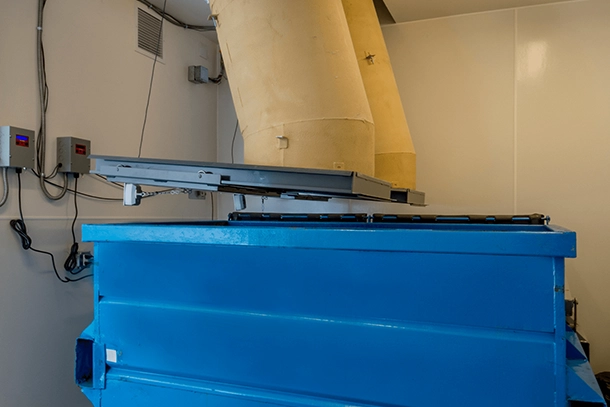
Waste systems involve several connected components. A problem that appears to be limited to the compactor can sometimes involve a chute door, electrical component, mounting area, or another part of the system.
Compactor Problems
Mechanical wear, recurring jams, leaks, unusual operation, and failed components can interrupt normal waste handling. Diagnosis should identify which part of the equipment is responsible before the repair is defined.
Chute Door Problems
A sticking, damaged, or misaligned chute door may need hinge, latch, hardware, alignment, or other repair. If the door has deteriorated beyond practical repair, replacement may also need to be considered.
Electrical Problems
A compactor that loses power or fails to cycle may have an electrical problem rather than a mechanical failure. Electrical components should be evaluated as part of troubleshooting when symptoms point in that direction.
Service Built Around the Existing Waste System
Manhattan properties can have different equipment layouts, access conditions, chute configurations, and waste-handling areas. Apartment buildings, managed properties, and commercial facilities may also depend heavily on their systems throughout the day. The repair approach should therefore reflect the actual equipment and building conditions rather than assume every failure has the same solution.
Additional Compactor & Chute Services
Related waste-system services include:
If an inspection identifies a problem outside the original service request, related work can be discussed according to the equipment condition and project needs.
- Trash Compactor Installation
- Chute Door Installation
- Chute Cleaning & Deodorizing
- Structural Steel Fabrication
- Welding Repair
- Trash Compactor Repair
- Chute Door Repair
- Compactor Electrical Repair
Why Choose Compasit Corporation?
Waste-System Experience
Trash compactors connect with chute systems, electrical components, steel supports, and other waste-handling equipment. Experience across these related areas helps when a problem involves more than one component.
Diagnosis Before Repair
A jam, shutdown, leak, or electrical symptom does not always reveal the actual cause. The process begins by identifying what is failing before determining what should be repaired.
Repair and Installation Options
Not every damaged compactor needs replacement, and not every aging system remains practical to repair indefinitely. Having both repair and installation options allows the existing equipment to be evaluated before the next step is chosen.
Reviews
Posted on GoogleTrustindex verifies that the original source of the review is Google. Compasit Corp. is hands down one of the most reliable compactor service companies around. You can tell they really know the ins and outs of the city—especially dealing with older buildings and tight service areas. They showed up on time, got straight to work, and explained everything clearly without trying to upsell anything unnecessary. What stood out most was how clean and professional they were. After the job, the area was spotless, which isn’t always the case with this kind of work. It’s hard to find a company that’s both responsive and dependable, but Compasit definitely delivers. If you’re in the area and need compactor or chute work done right the first time, these are the guys to call.Posted on GoogleTrustindex verifies that the original source of the review is Google. Very dependable company. They explained the problem and completed the repairs efficiently.Posted on GoogleTrustindex verifies that the original source of the review is Google. Very satisfied with the service. Professional team, on time, and easy to work with. 👍Posted on GoogleTrustindex verifies that the original source of the review is Google. Responsive company with excellent follow up and dependable servicePosted on GoogleTrustindex verifies that the original source of the review is Google. Excellent repair service and strong communication throughout the job.
Frequently Asked Questions
A failed compactor should be assessed promptly when it disrupts normal waste handling.
Trash buildup can quickly create an operational problem in apartment buildings and commercial properties, especially when many people depend on the same system.
The required repair depends on whether the failure is mechanical, electrical, chute-related, or connected to another component.
Recurring jams can have several causes, including mechanical wear, equipment problems, operating conditions, or another issue within the waste system.
Clearing the jam may temporarily restore operation, but repeated problems should be investigated. The important question is why the jam keeps returning.
Often, yes.
Repair may be appropriate when the problem involves a serviceable mechanical or electrical component and the overall equipment remains in workable condition.
Replacement may be worth considering when failures become frequent, deterioration is extensive, or the required repair no longer makes practical sense.
Electrical problems may prevent the equipment from starting, cause inconsistent cycling, or result in controls that stop responding.
Because similar symptoms can sometimes have different causes, wiring, switches, controls, and related components should be evaluated before assuming the failure is purely electrical or mechanical.
Yes. Chute door repair is available for Manhattan buildings and commercial properties.
Sticking doors, worn latches, damaged hinges, alignment problems, and doors that no longer close correctly can all require service. The appropriate repair depends on the affected components.
That depends on the door, hardware, alignment, surrounding opening, and extent of the damage.
A localized hinge or latch problem may be repairable. More extensive deterioration may make chute door replacement worth considering.
Potentially. Chute doors are part of a larger waste-handling system, and problems with alignment, closure, hardware, or surrounding components can affect normal use.
An inspection can determine whether the issue is isolated to the door or whether another part of the chute system needs attention.
Yes. Installation is also available when an existing compactor needs replacement or a property requires a new system.
Repair should not automatically be ruled out simply because equipment has failed. The existing condition should be evaluated first.
Yes. Chute cleaning and deodorizing can address residue, debris, and persistent odor within a trash chute.
Cleaning is separate from mechanical or electrical repair, although recurring chute problems may sometimes justify reviewing doors and other related components as well.
They can. Compactor frames, supports, mounting areas, housings, and other steel components may affect equipment stability and operation when damaged.
Structural steel fabrication and welding repair may be considered when an inspection identifies deterioration around the waste equipment.
Explain what the equipment is doing, when the problem began, whether it is completely out of service, and whether the issue has happened before.
Mention recurring jams, leaks, unusual noises, electrical symptoms, unexpected shutdowns, or recent repairs. These details can provide useful context before the onsite inspection.
Request Trash Compactor Repair in Manhattan
A compactor or chute problem can interrupt an entire building’s waste-handling routine.
If your system will not start, fails to cycle correctly, jams repeatedly, has an electrical problem, or needs chute door repair, Compasit Corporation can assess the equipment and determine the appropriate next step.
Call 800-398-3087 or contact Compasit online to schedule an onsite assessment or request trash compactor repair in Manhattan.