The wiring and metal structures in every house, building, and workplace tell a silent narrative. These hidden systems work hard all the time to keep people safe and help them with their everyday lives. When anything starts to break down, little symptoms show up long before any big harm happens. Noticing these early signs not only protects the property, but it also protects the health of everyone within.
This guide lists simple, easy-to-understand warning indicators that show there is a problem with electrical wiring or metal constructions. It is written in easy language and based on real-life experience. It gives readers useful information and helps them make choices with confidence.
Trash Compactor Repair Signs You Must Spot Early
Metal frames and electrical systems are the most important parts of contemporary life. Life goes easily and safely when they work right. But problems that go unreported may cause expensive repairs, safety issues, and unplanned delays. Seeing early danger flags has immediate benefits:
- Improved safety for families and employees
- Reduced risk of electrical hazards and structural failures
- Lower repair costs through timely maintenance
- Longer lifespan of buildings, equipment, and infrastructure
- Greater confidence in the reliability of your space
By staying attentive to these signs, property owners gain peace through preparedness and practical awareness.
Simple Signs of Trouble in Electrical Wiring
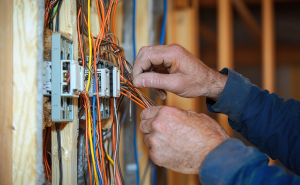
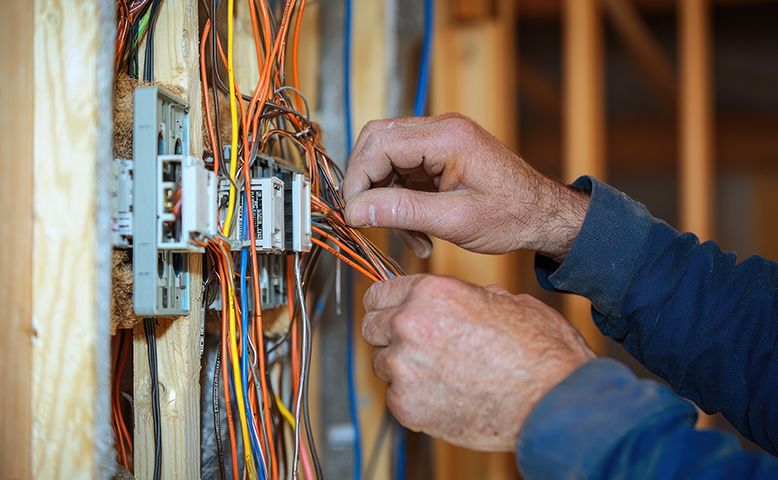
Electrical wiring often operates out of sight, yet it communicates problems through noticeable changes. Understanding these signals ensures safer environments and prevents minor issues from escalating.
1. Flickering or Dimming Lights
Flickering lights are sometimes an indication of loose wiring or circuits that are too full. When the lights suddenly go dim, it means that the electricity isn’t flowing steadily. Taking care of this early prevents appliances from breaking and lowers the chance of electrical accidents.
2. Frequent Circuit Breaker Trips
Overloads can’t damage electrical systems because of circuit breakers. If something keeps tripping, it might be because of bad wiring, too much electricity being used, or parts that are becoming worn. Regular inspections keep things from becoming too hot and make sure that electricity is sent out reliably.
3. Burning Smell or Discolored Outlets
If you smell a slight burning smell or see dark markings around outlets, the wires are too hot. This warning means there is a possibility of fire and has to be acted on right away to avoid major harm.
4. Buzzing Sounds from Switches or Panels
Electrical systems operate quietly. Buzzing or humming noises suggest loose connections or worn components. Addressing these sounds promptly enhances safety and prevents unexpected failures.
5. Warm or Vibrating Switches
Switches and outlets should remain cool to the touch. Warm surfaces or vibrations indicate overloaded circuits or poor connections. Early repairs help maintain safe electrical performance.
6. Outdated or Damaged Wiring
Older buildings often contain aging wiring systems. Frayed insulation, exposed wires, or outdated materials increase the likelihood of electrical hazards. Upgrading wiring improves efficiency and reliability.
Clear Signs of Trouble in Metal Structures
Metal frameworks provide strength and stability to buildings, equipment, and industrial systems. Over time, wear and environmental factors can compromise their integrity. Recognizing these signs helps preserve safety and structural durability.
1. Visible Rust and Corrosion
Rust weakens metal and reduces load-bearing capacity. Early signs of corrosion, especially in exposed areas, indicate the need for protective coatings or repair. Addressing rust promptly prevents structural deterioration.
2. Cracks in Welded Joints
Welded joints hold metal components together. Cracks or separations in these joints signal stress, fatigue, or improper installation. Early detection ensures stability and prevents structural failure.
3. Bent or Warped Metal Components
Bent beams, frames, or supports indicate excessive pressure or impact. Structural distortion affects alignment and safety. Immediate correction restores strength and functionality.
4. Loose or Missing Fasteners
Bolts, screws, and rivets secure metal structures. Loose or missing fasteners compromise stability and create safety risks. Regular inspections help maintain structural integrity.
5. Unusual Noises from Metal Structures
Creaking, grinding, or popping sounds often indicate stress or movement within metal frameworks. These sounds signal underlying issues that require prompt evaluation and reinforcement.
6. Flaking Paint or Protective Coatings
Peeling paint exposes metal surfaces to moisture and corrosion. Recoating and maintenance protect structures from environmental damage and increase their lifespan.
How Faulty Welding Can Damage Electrical Wiring
Welding and electrical systems typically function together. Both are important for keeping businesses and industries running smoothly. When either system starts to break down, it affects performance and safety as a whole.
Welding makes structures strong, while electrical systems provide machines and tools the power they need to work. When these systems are kept in good shape, they help things run more smoothly, cut down on downtime, and make the workplace safer. Knowing how they rely on each other helps property owners make upkeep and repairs a priority.
Everyday Payoffs Of Spotting Wiring Trouble Early
Understanding early warning signals provides tangible advantages in daily life. These benefits extend beyond safety, offering long-term value and reliability.
- Enhanced safety for homes, offices, and industrial spaces
- Improved efficiency of electrical equipment and machinery
- Reduced downtime caused by unexpected failures
- Cost savings through preventive maintenance
- Extended lifespan of wiring, equipment, and structures
- Greater confidence in building stability and functionality
These practical advantages reflect the WIIFM principle, ensuring readers immediately see the value of staying informed and proactive.
Quick Maintenance Checks To Protect Compactor Wiring
Consistent maintenance keeps systems reliable and secure. Implementing simple practices helps detect issues early and ensures long-term durability.
Routine Electrical Maintenance
- Inspect outlets, switches, and panels for signs of wear.
- Replace damaged cords and connectors promptly.
- Avoid overloading circuits with excessive electrical demand.
- Schedule periodic inspections to maintain safe wiring conditions.
Preventive Care for Metal Structures
- Apply protective coatings to prevent rust and corrosion.
- Inspect welded joints for cracks or stress-related damage.
- Tighten loose bolts and fasteners regularly.
- Clean surfaces to remove moisture and debris.
- Reinforce weakened structures to maintain stability.
These practical steps empower property owners with knowledge and confidence while promoting safer environments.
What 800 Property Managers Learned From Wiring Failures
Years of hands-on expertise with welding and electrical repairs show how important it is to find problems early and take care of them before they become worse. Skilled technicians know that little problems can show up in small ways long before big ones happen. Quickly responding to these signals saves infrastructure, lowers maintenance costs, and keeps operations going without a hitch.
Trusted service providers use tried-and-true methods, industry standards, and safety rules to keep wire and metal structures safe and reliable.
How Safe Wiring Prevents Costly Compactor Repairs
Awareness and proactive care are the first steps to making places safe and stable. Well-maintained wiring and metal structures help things run well and endure a long time, whether they are in homes, businesses, or factories. Property owners may act with confidence when they see early warning indicators. This keeps them secure and efficient while safeguarding their important assets.
People may stop tiny problems from becoming big ones by paying attention to small adjustments. This knowledge makes people feel protected and ensures that places stay useful, reliable, and safe for years to come.
What To Do When Wiring Or Metal Shows Trouble
Metal buildings and electrical wiring silently sustain daily life, yet they make it evident when anything goes wrong. Property owners may respond quickly and responsibly when they see flickering lights, strange noises, rust, or broken welds. Early identification protects safety, keeps structures strong, and lowers long-term maintenance costs while keeping operations going without a hitch.
Compasit Corporation is a reputable brand in the business with years of expertise. They can provide you with accurate advice and do good work on welding and electrical repairs. Their dedication to safety, dependability, and customer satisfaction shows that they know a lot about maintaining structures and electrical systems. This helps keep communities safe and running smoothly.