A trash compactor is supposed to make life easier. It turns loose bags into neat, tight loads, keeps the area cleaner, and helps the whole building run more smoothly. So when it starts acting “off,” you feel it fast. The room smells different. The cycle takes longer. The noise changes. Then, before you know it, the mess piles up, and everyone gets stressed.
So here is the real value for you: catching early warning signs saves time, cuts down on bigger damage, helps avoid sudden shutdowns, and keeps the trash area safer for everyone. In other words, you get fewer interruptions, fewer surprises, and a cleaner routine.
Below are the most common warning signs that your trash compactor needs immediate repair, explained in plain words, with practical “why it matters” takeaways. This is the kind of stuff people usually ignore until the unit quits. Also, this is written so you can spot issues even if you have never touched a compactor in your life.
) Compactor Repair Warning Signs You Must Not IgnoreA healthy compactor has a consistent sound. It can be loud, sure, but it sounds steady. When the sound changes, that change is a message.
Here’s what “wrong” can sound like:
- Grinding or scraping during the cycle
- Thumping that feels like something is slamming
- Squealing that comes and goes
- Rattling that gets worse over time
Why this matters for you: strange sounds often mean parts are rubbing where they shouldn’t, bolts are loosening, or something is out of alignment. Therefore, the longer it runs like that, the more wear you create. As a result, a small fix can turn into a bigger repair.
2) The compactor runs, but the ram feels weak
When the ram presses, it should feel strong and steady. If it looks like it is struggling, moving slowly, or stopping before it finishes, that is not “just one weird day.” That is a sign.
You may notice:
- Bags are not compacting much
- The load looks fluffy even after a cycle
- The ram pauses like it’s fighting resistance
- Cycles take longer than normal
Why this matters for you: A weak force often points to hydraulic or mechanical issues. Consequently, the unit keeps working harder for fewer results. That means more heat, more stress, and more chance of a full stop when you least want it.
The Cycle Stops Mid-Way Or The Machine Resets
A compactor should complete a cycle without drama. If it stops mid-cycle, trips, or resets, it is telling you it is not happy.
Common patterns include:
- It starts, then stops, and does nothing
- It stops and only restarts after repeated tries
- It works fine, then randomly fails later
- It trips breakers or throws an error behavior
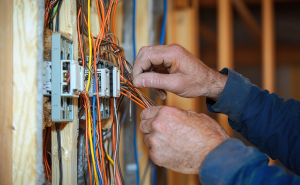
Why this matters for you: Inconsistent operation usually signals an electrical issue, a failing safety switch, a sensor problem, or a motor struggling. In addition, repeated resets can stress components even more. So, instead of “trying again,” it helps to treat this as urgent.
Fluid Leaks And Oily Residue That Mean Compactor Trouble
Leaks are never harmless. Even a small leak is the beginning of a bigger one, because seals and hoses rarely heal themselves.
Look for:
- Puddles near the unit
- Slick residue on hoses or fittings
- Wet spots that reappear after cleaning
- A burning smell paired with damp areas
Why this matters for you: fluid loss can reduce pressure, weaken cycles, and damage the system. Moreover, leaks can create slip hazards. Therefore, if you see any leak, treat it as an immediate repair sign.
Burning Or Electrical Odors Signal Compactor Fire Risk
Trash rooms already have their own smell. A burnt smell is different. It is sharp, harsh, and often makes people step back.
You might notice:
- A hot plastic smell
- A faint electrical odor during or after a run
- A burning smell that fades, then comes back
Why this matters for you: burnt smells can come from overheating motors, stressed wiring, failing connections, or parts rubbing too hard. Consequently, ignoring it increases the risk of sudden failure and safety concerns. So, this one deserves fast attention.
Trash Compactor Safety Doors And Latches Failing
Trash compactors rely on safety systems. If a door is not closing properly or a latch is loose, the machine may refuse to run or behave unpredictably.
Signs include:
- The door won’t close smoothly
- Latch feels loose or “soft.”
- The unit runs only when you jiggle the door
- It suddenly stops when the door shifts
Why this matters for you: safety issues create downtime and can put people at risk. Also, a small door alignment problem can strain hinges and switches. Therefore, fixing it early keeps the unit dependable and keeps the area safer.
Compactor Jams Repeatedly During Normal Loads
A jam every now and then can happen. However, frequent jams mean something has changed.
You may see:
- The ram gets stuck in the same spot
- The load isn’t feeding correctly
- You need multiple tries to complete a cycle
- It jams even with regular bag volume
Why this matters for you: repeated jams can point to misalignment, worn guides, damaged tracks, or internal obstruction. As a result, you lose time clearing it, and you increase wear every time you force another cycle.
Excessive Vibration That Signals Trash Compactor Repair
Some vibration is normal. Excess vibration is not. It often signals loose hardware, worn mounts, imbalance, or parts contacting the frame.
Watch for:
- Shaking is visible in the body panels
- New rattling that matches the vibration
- Items on nearby shelves are shifting
Why this matters for you: vibration speeds up loosening, cracking, and wear. In other words, it creates more problems the longer it continues. So, catching vibration early helps prevent a chain reaction of repairs.
Messy Compactor Area That Demands Fast Repair
This one sounds simple, yet it is a powerful clue. When the compactor is not compressing well, trash piles build up faster. Then people start leaving bags outside the unit. After that, spills happen. Then pests become a bigger issue. The whole area can slide downhill quickly.
You might notice:
- Overflow happens sooner than expected
- Bags stack up because the unit is “slow.”
- People avoid using it because it feels unreliable
Why this matters for you: a compactor that is underperforming creates a cleanliness problem and a workflow problem. Therefore, repairs are not just about the machine. They are about keeping the building routine stable.
Trash Compactor Runs But Fails To Crush Evenly
Some days it crushes well. Other days, it barely does anything. That inconsistency is a sign that a part is failing or a system is drifting out of spec.
Examples:
- One cycle looks strong, the next looks weak
- It works fine when empty, then struggles when loaded
- It seems sensitive to small changes in trash amount
Why this matters for you: Inconsistent results often mean you are right before a bigger failure. In addition, inconsistency makes planning harder. So, if you want fewer surprise shutdowns, this is a key sign to take seriously.
Maintenance Habits That Slash Future Repair Bills
This is not about “babying” the machine. It is about simple habits that reduce wear and keep surprises away.
- Keep the area around the unit clear so airflow and access are not blocked
- Avoid overloading with bulky items that are not meant for the compactor
- Pay attention to new sounds, new smells, and new vibrations right away
- Do not ignore small leaks, even if the machine still runs
- Track patterns like repeated jams or slower cycles so issues are easier to spot
Why this matters for you: these habits help you catch problems early, reduce downtime, and keep your trash room running with less stress.
What To Do When Trash Compactor Problems Appear
A trash compactor rarely fails “out of nowhere.” Instead, it usually gives warning signs first. Therefore, when you notice rough noises, weak compaction, mid-cycle stops, leaks, burnt smells, or door and latch issues, treating them as urgent protects your time, your budget, and the people using the space. In Jamaica, NY, Compasit Corporation is a known name for trash compactor installation and repair work, and referencing a team with long hands-on experience can help you get the right fix faster rather than guessing.